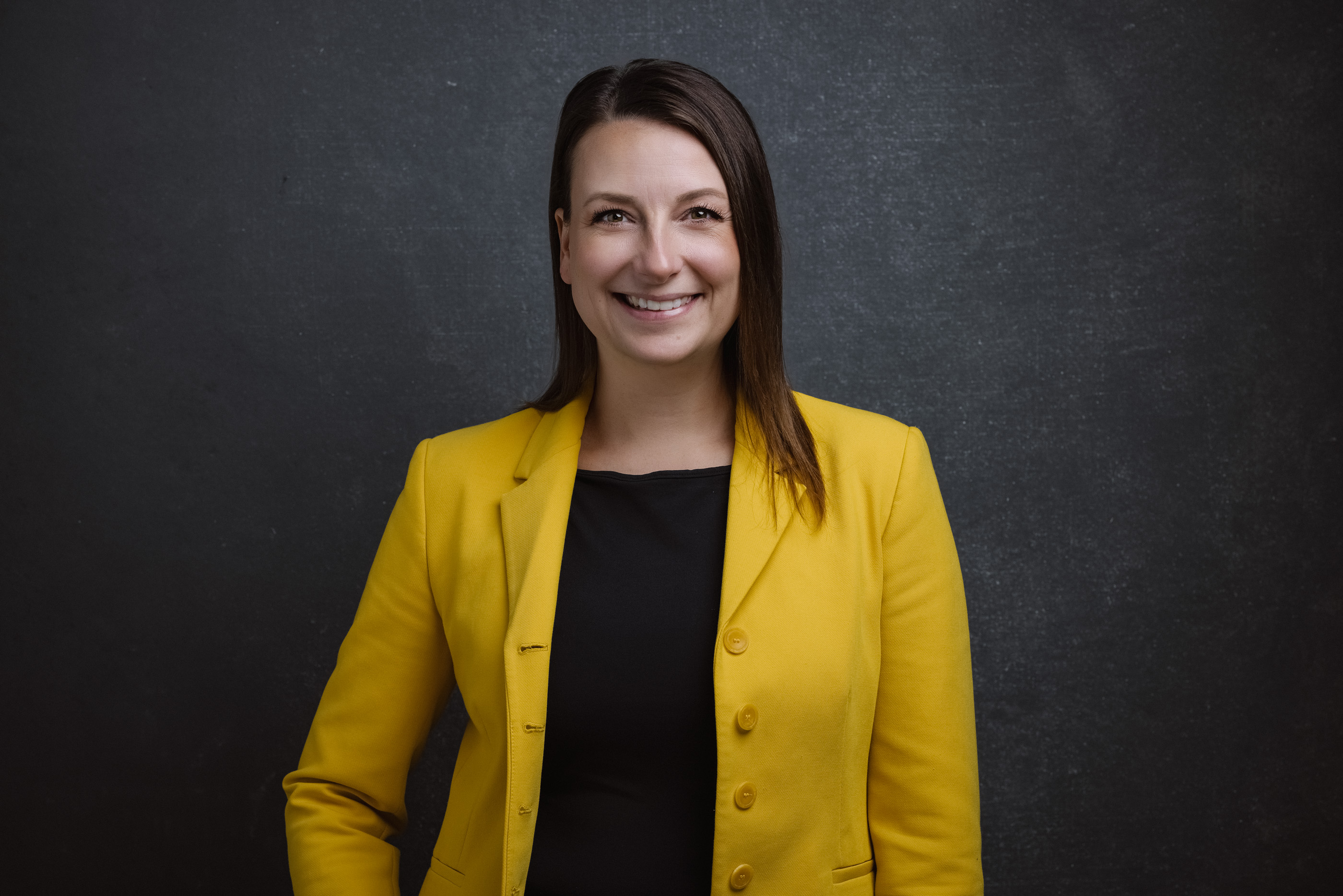
In the world of iGaming, few names are as widely recognised and respected as Louise Mouton Tingager. Known for her incredible ability to bring people together, Louise has built a reputation as one of the industry’s strongest social connectors, turning introductions into long-lasting partnerships and relationships. With years of experience and a genuine passion for community building, she has become a trusted and familiar face across the global iGaming scene. Now stepping into her role as Head of SiGMA Nexus Elite at SiGMA Group, Louise continues to shape and strengthen the connections that drive the industry forward.
Looking back at your career, what first drew you into the gaming industry?
I probably entered the gaming industry the same way many others did - completely by chance! I was backpacking through Africa and decided to stay a little longer in Cape Town. I ran out of money very quickly, so I started looking for work and came across an advert for a Danish-speaking customer service role within the industry. I took the opportunity and the rest is history. It’s funny looking back now, as such a random decision ended up turning into a career I genuinely care about - mainly because of the relationship-driven nature of the role I have today.
Looking at your time at Super Group, across both customer service, retention marketing and product-focused roles, what were some of the biggest lessons you learned that still influence the way you approach strategy, growth, and leadership today?
Looking at my time at Super Group, one of the biggest lessons I learned was the importance of truly understanding people - both the customers and the colleagues. I started out in customer service, which gave me direct insight into customer behaviour and what creates loyalty and trust. From there, moving into retention marketing and later product-focused roles helped me develop a much broader understanding of strategy, growth and decision-making across a business.
More than anything, it reinforced how important communication really is. I know it sounds cliché, but I genuinely think almost everything in life comes down to communication and building good relationships. Whether it’s with customers, colleagues, partners or leadership teams, the strongest results usually come from people understanding each other, working well together and being aligned around common goals. That’s something that has stayed with me throughout my career and still shapes the way I work today I think.
Your next step was into Operations at SOHO Office Malta. What did that experience add to your professional growth?
Moving into Operations at SOHO Office gave me a completely different perspective on how businesses function day-to-day. Up until then, a lot of my experience had been focused on customers and the product, but operations taught me how important structure, efficiency, and problem-solving are behind the scenes.
It also pushed me to become more adaptable and solutions-oriented. In operations, no two days are really the same and you learn very quickly how to manage priorities, communicate with different stakeholders and keep things moving under pressure. I think that role helped strengthen both my organisational skills and my ability to work across different teams and personalities - which has been incredibly valuable in the two roles I’ve had since.
How did managing operations and tenant relationships shape the way you work with people?
Managing operations and tenant relationships taught me a lot about people, communication, and adaptability. You quickly realise that no two people communicate the same way and a big part of the role was understanding different personalities, managing expectations and finding solutions that worked for everyone involved.
What drew you into relationship management after your operations experience?
I think I realised during that time that the part of the role I enjoyed most was the relationship side of things. Building trust, creating strong connections and helping people solve problems came very naturally to me, which is what ultimately drew me further into relationship management roles. I enjoy working with people, understanding what drives them and finding ways to create value for both sides of a partnership.
In your role as Relationship Manager and later Senior Relationship Manager at SBC, what did strong relationship management mean in practice?
Strong relationship management, for me, has always been about consistency, communication, and trust. In practice, it meant really understanding what different stakeholders needed and making sure they felt heard, supported and valued. Whether it was operators, affiliates, regulators or partners, a lot of the role came down to building genuine long-term relationships rather than only focusing on short-term business outcomes.
What were the biggest lessons you learned while working with operators, affiliates, regulators, and other stakeholders?
One of the biggest lessons I learned is that every stakeholder has different priorities, communication styles and expectations, so adaptability is incredibly important. You also learn very quickly that trust takes time to build but can be lost very quickly if communication breaks down or expectations aren’t managed properly.
How did you build trust and credibility in such a relationship-driven environment?
I think people can tell very quickly whether you are genuine or not. Truly caring about the individual you are speaking to, listening properly and wanting to create value for them is not something you can really fake. I think authenticity plays a huge role in building strong relationships and credibility in such a relationship-driven industry.
I’ve always tried to be approachable, solution-oriented, and genuine. Over time, people learn that they can rely on you and I think that’s ultimately what creates long-lasting professional relationships.
Your time as Director of Relationships, Europe, sounds like a major step. What changed most in that role?
I think the biggest change in the Director of Relationships role was moving from managing individual relationships to thinking much more strategically about the wider ecosystem and long-term business impact. The role became less about single conversations or accounts and more about creating alignment across operators, affiliates, suppliers, internal teams and the overall direction of the business.
It also came with a much bigger leadership responsibility. I had to think more about team development, collaboration across departments, and how to create value not just for external stakeholders but also internally.
At the same time, the core of the role actually stayed very similar for me - communication and relationships. The scale became bigger, but the fundamentals remained the same. Building trust, understanding people and creating genuine long-term partnerships were still at the centre of everything.
What did success look like when you were responsible for relationships across Europe?
Success for me was never just measured by numbers or sales targets. Of course, commercial growth and strong partnerships were important, but real success was when people genuinely wanted to work with us, trusted us and saw long-term value in the relationship. Especially in such a relationship-driven industry, reputation and trust become incredibly important over time.
Being responsible for relationships across Europe also meant understanding different markets, cultures and ways of doing business. A big part of the role was creating strong connections between people and finding ways to bring value to multiple stakeholders at the same time.
You are now Head of SiGMA Nexus Elite. What is the vision behind this community?
With SiGMA Nexus Elite we want to create a trusted, high-level community where meaningful relationships and conversations can happen naturally. There are already many networking opportunities within the industry, but the idea behind Nexus Elite is to create something more curated, personal and truly valuable for senior decision-makers. I really only care about two things after an event - whether people made valuable connections and how they felt while being there. For me, the best events are the ones where people leave feeling they gained something meaningful, whether that’s a new partnership, a fresh idea or simply a genuine connection with someone in the industry.
What makes an exclusive executive community valuable for the people involved?
What makes an exclusive executive community truly valuable is the quality of both the people and the relationships within it. When you bring together the right individuals in the right environment, conversations become more open, collaborations happen more organically and people are able to build genuine long-term connections rather than transactional ones.
How do you create high-value experiences that go beyond traditional networking?
For me, creating high-value experiences goes far beyond traditional networking. It’s about creating environments where people feel comfortable, relaxed and able to connect on a more human level. Some of the strongest business relationships are built during shared experiences, smaller conversations and moments where people can simply be themselves outside of formal meeting settings. That’s really the philosophy behind what we are building with Nexus Elite.
When you look at your career as a whole, what role taught you the most about leadership?
Honestly, I think every role taught me something different about leadership. Starting in customer service taught me patience and understanding. Marketing and product roles taught me strategy and decision-making, while operations taught me adaptability and problem-solving. But stepping into more senior relationship-focused leadership roles probably taught me the most about people - how to communicate, create alignment, build trust and lead through relationships rather than authority alone.
One of the biggest things I’ve learned is that good leadership is rarely about having all the answers. It’s much more about listening, understanding people, creating trust and bringing the right people together around a common goal.
What advice would you give to someone trying to build a career that combines strategy, relationships, and business growth?
To build a career that combines strategy, relationships, and business growth, I would say never underestimate the value of communication and genuine relationships. I know I sound like a broken record here. Skills and experience are obviously important, but people remember how you make them feel and whether they trust you. Be curious, stay adaptable and focus on creating real value for the people you work with. Long-term growth usually comes naturally when strong relationships and trust are built over time.